


I’m so excited for you! Getting engaged is such a meaningful milestone — and while wedding planning can be incredibly fun, it can also feel overwhelming if you’re not sure where to begin.
The truth? There’s no single “right” way to start planning. But after almost 15 years in the wedding industry, I have figured out a few smart first steps that will save you time, stress, and decision fatigue down the road.
If you’re wondering what to do first after that ring is on your finger, start here.
1. Pause and Actually Enjoy Being Engaged

Photo by Kaitlyn Logan Photography
Before you open 47 venue tabs or fall down a Pinterest rabbit hole… take a breath.
This season of being engaged is short and special. Celebrate with your partner, call your favorite people, and let it sink in. Wedding planning will pick up quickly — and it tends to bring a new level of busyness with it — so giving yourselves a little space now helps you begin the process feeling grounded instead of rushed.
Planning will still be there next week. Promise.
2. Protect the Ring
Not the most glamorous task, but one of the smartest.
Any time you purchase something with a hefty price tag, like that brand new engagement ring, you should check to make sure it is covered by your renter’s or homeowner’s insurance. You may need to add a jewelry rider or something similar to cover it (and the wedding rings. And any expensive wedding presents you may get). Every policy is different, so call your agent just to double check. Future-you will be very glad you did this early.
3. Have the Big-Picture Conversation With Your Partner
Before booking anything, sit down together and talk through the foundations of your wedding. This single conversation will make every decision that follows much easier.
Focus on three key areas:
Who are the decision-makers?
One of the hardest parts of planning your wedding is all the people who want to “help” by telling you what you should do for everything from choosing vendors to what lines you chose to what traditions you include. My advice is to decide early on who the people that you will listen to and allow to influence your decision making.
Often, this is closely tied to who is contributing to the payment of the wedding. If family members are contributing financially, they may expect input. Ultimately, only you can decide who you are going to allow to have a say — and that’s something to clarify now, not mid-planning meltdown.

Photo by Kaitlyn Logan Photography
What is your budget range?
Repeat after me - budget is not a dirty word. (Budget is not a dirty word.) A budget is just a number. Every wedding has one, and you will save yourself a lot of trouble and emotional distress if you can create at least a ballpark figure of how much you can spend when it’s all said and done. Talk with anyone contributing funds and establish both:
your ideal budget
your maximum budget
(They are not the same number.)
You don’t need exact allocations yet, but you do need a realistic overall framework before researching vendors.
What are your top priorities?
What matters most to each of you?
Incredible food?
A packed dance floor with a live band?
A stunning design moment?
An intimate guest experience?
Knowing your must-haves helps you spend intentionally and avoid regret later.
4. Identify Your VIPs
Before you lock in a date or venue, take a moment to identify your non-negotiable guests — the people you truly can’t imagine getting married without.
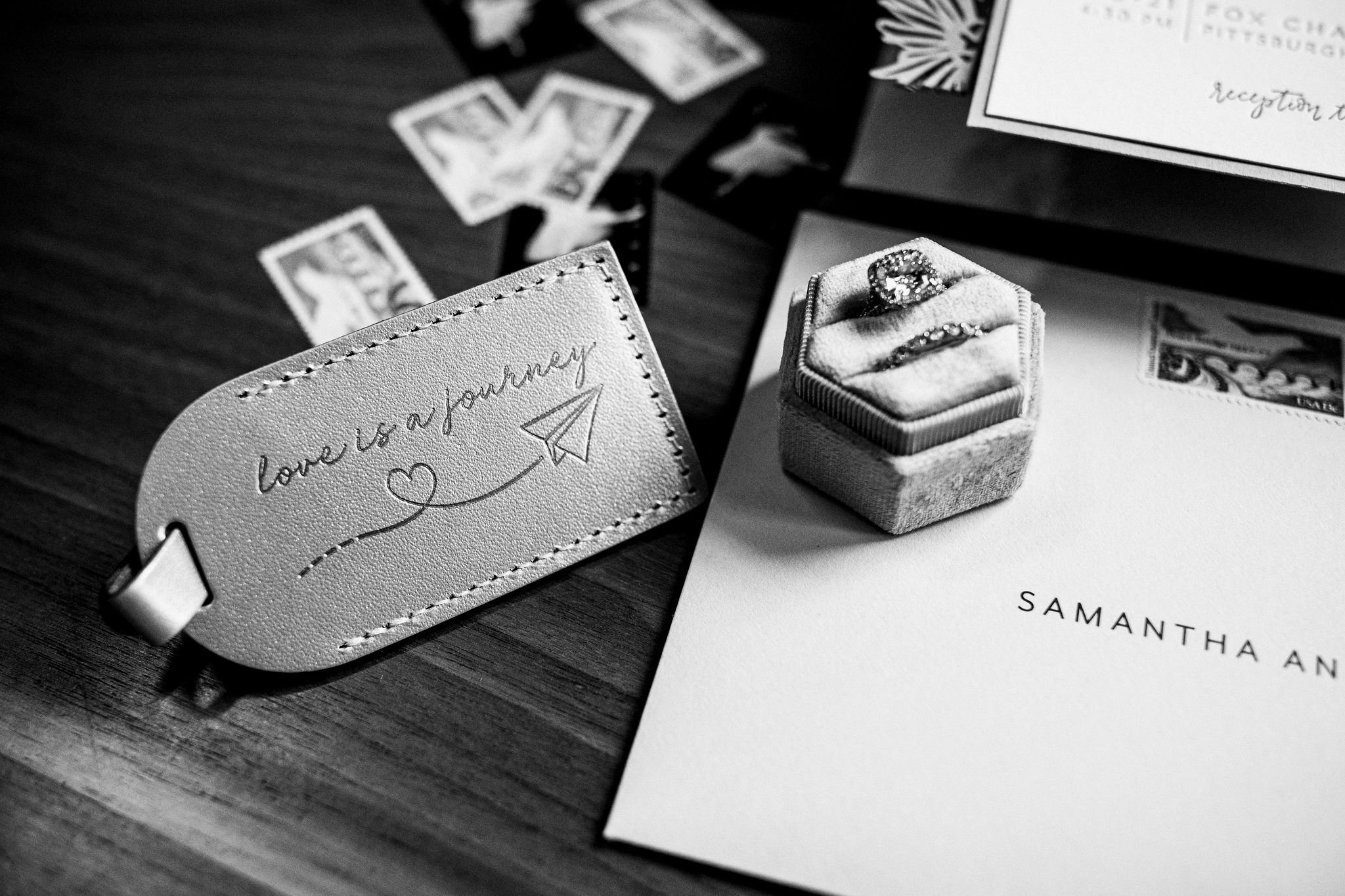
Photo by Wild Native Photography
This might include:
immediate family
your wedding party
grandparents
or other deeply important loved ones
Reach out and get a general sense of any major conflicts around your preferred time frame. You won’t have a firm date yet (that comes with your venue contract), but this step can help you avoid heartbreaking scheduling surprises later.
5. Build a Rough Guest Count
Your guest count quietly drives everything: budget, venue options, catering costs, rentals, overall flow of the day. You don’t need a perfect list yet — no one does this early — but do create a ballpark range:
your comfortable minimum
your realistic maximum
Most people don’t think about the lower number, but some venues and other vendors have a minimum numbers (or minimum amount of money, which is ultimately the same thing) that you have to meet, so it’s an important consideration.
This gives you a much clearer lens when touring venues and pricing vendors.
6. Start Exploring Venues and Dates
Once you’ve done the groundwork above, you’re finally ready to dive into venues.
Your venue and date form the foundation for almost every other wedding decision. The space you choose sets the tone, influences your design direction, and often determines which vendors you can work with.
Remember:
You can’t fully lock a date without the venue
Venue availability may shape your final timeline
Guest count and budget should guide your search
Take your time here — this is one of the biggest decisions you’ll make.

Bonus: Book Your Wedding Coordinator Early
If there’s one move that can instantly make your planning experience smoother, it’s bringing your coordinator into the process sooner rather than later. While a coordinator is not a full wedding planner, they can be helpful throughout the planning process (at least, I can. I won’t speak for others.)
When you book early, your coordinator can guide you from the beginning, helping you avoid common pitfalls, refine your plans, and build a wedding day that truly flows.
Early support means:
clearer vendor recommendations
a more intentional planning timeline
fewer last-minute surprises
and a much calmer lead-up to your wedding day
The Bottom Line
All in all, enjoy this amazing time of being engaged! Wedding planning tasks can quickly pick up, but I encourage you to take a step back and a moment to breathe before diving in too deeply. Couples who take a thoughtful, strategic start almost always have a smoother — and far more enjoyable — experience.
If you're interested in having some more help, I’d love to chat with you about how our coordination packages can help make your planning process so much smoother and more stress free. Send me a note, and let’s chat.
As always, Happy Planning!

Photo in header by Kaitlyn Logan Photography